Showing posts with label Health. Show all posts

Thursday, February 22, 2018

Super Healthy Weight Gain Foods for babies & kids

Do you worry that your baby is not gaining weight properly? Welcome to the club! A study says that 85 % of Moms fret over their baby’s weight and are always searching for healthy weight gain foods for their babies.
So what is a worried Mom to do? Simple, the solution for it is:
” Look at the Baby, Not the scales “
It sounds very simple, but very difficult to follow!

I have seen Moms whose babies look healthy, feed well and reach all their milestones properly but who still worry about their baby not gaining weight. They forget that the weight of the baby also depends on the genetic constitution of the parents.

1. Milk


If you are breastfeeding then breast milk is the best choice up to 1 year and after 1 year 3 servings of cow’s milk can be given.

2. High calorie energy dense nutritious foods
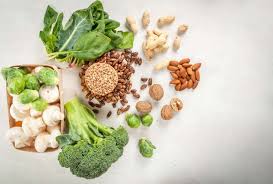

Instead of fatty foods, high calorie energy dense foods increases weight without increasing the bad fat in the baby. If high calorie non nutritious fat foods (like ice cream, chocolates, processed food) are given, then it will create poor eating habits which will be difficult to change later.

3. Banana

Banana can be given to infants after 6 months of age. Banana is rich in dietary fiber, potassium, vitamin C and very good source of Vitamin B6, and is a energy dense nutritious food.
Banana can be introduced as Banana Puree then after 8 months it can be given as pancakes, can be mixed in porridge and after a year as banana muffins.
If you are worried about giving banana during cold , then our Raw Kerala Banana Powder is a life saver, it is both nutritious and weight gaining food for babies.

4. Peach

Peaches can be given after 6 months of age. Peaches are rich in dietary fiber, niacin, Vitamin A and particularly a good source of Vitamin C.
Peach can be given as purees after 6 months and after 1 year as smoothies and milkshakes.

5. Pear

Pear can be given as one of the first solid foods of baby and helps in weight gain. Pear is one of the fruit that is very rich in Iron and is also a good source of dietary fiber, Vitamin B6 and Vitamin C.
Pear can be given as Pear Puree, Apple Pear Puree with cinnamon twist, and after 8 months pear can be added in pancakes.

6. Peas

Peas can also be given after 6 months. Peas are among the most nutritious vegetables that can be introduced as baby’s first solid food. It is very high in dietary fiber, thiamine, vitamin C and high in magnesium, niacin, phosphorous and Vitamins A, B6.
Peas can be given as Peas Puree, Peas Khichdi and as Vegetable soup.

7. Sweet Potatoes

Sweet Potatoes are an excellent first food for the baby. It can be given from 6 months of age.
Sweet Potatoes are very low in saturated fat, high in dietary fiber, magnesium and potassium, vitamin B6 and very high in Vitamin A and C. They can be given as purees, sweet potato khichdi, pancake and as soups.

8. Plain meats

Chicken can be introduced after 8 months of age. Chicken is rich in niacin, phosphorous, magnesium, Vitamin B6 and B12, also it is rich in cholesterol too, so the chicken can be given once a week to babies.
Chicken flesh pieces can be either boiled or given as chicken puree, chicken stew, chicken soup, chicken rice. You can also make chicken stock and use it in baby’s dishes.

9. Ghee

Our Desi Ghee is one of the best weight gaining food source. Ghee can be added in almost all the food that the baby takes after 7 months, with around 1 tsp of ghee per meal. Start with few drops of ghee at first and slowly increase the quantity. Ghee can sometimes be very heavy for the baby, so please be moderate in its usage. For best results, make your own homemade ghee that is free of preservatives and chemicals.

10. Cheese

Cheese can be given after 8 months. Cheese is rich in phosphorous, calcium and selenium.
Cheese cut as slices make a perfect finger food; you can also try serving fruit salad with cheese to your baby.

11. Dry fruits

Dry fruits include almond, pistachio, fig, cashew are energy dense and non-fattening.
The dry fruits can be powdered and mixed in almost all the foods, other forms by which it can be given are almond milk, dry fruit snack bar, dry fruit laddu.
You can either make the dry fruits powder at home with this recipe or order homemade dry fruits powder online.
Please note, dry fruits may cause allergy in some babies, follow the 3 Day Rule while introducing any new food.

12. Whole Wheat

Mostly wheat is not considered as a weight gaining food by many, but using whole wheat in baby foods has shown a steady weight gain in babies. It is an excellent source of dietary fiber with low fat.
Whole wheat can be given as Wheat Cereal, Wheat Soya Porridge, Wheat Kheer, Whole Wheat pancakes, Wheat porridge, Wheat Almond Porridge, Wheat Green gram Porridge.
Another way to get the benefits of whole wheat is through broken wheat, also called ‘dalia’.
You can also whip up an entire baby meal in a jiffy with Instant Dalia Mixes. A boon for days when you don’t have the time or energy to cook. You can make these at home or easily order homemade Instant Wheat Dalia Elaichi Mix and Instant Wheat Dalia Moong dal Mix online.

13. Oats

Another food that indirectly causes weight gain in babies is Oats. Oats is low in saturated fat and cholesterol and high in manganese, magnesium, thiamine and phosphorus. Oats is the only cereal containing legume like protein.
Oats can be given as Oats Porridge, Oats Kheer, Apple Oats Porridge, Oats pancake, Oats fruit Dosa.
Get 100% Organic oats for your Baby delivered at your doorstep.

14. Avocado

Avocado can be given after 6 months. Avocado is rich in dietary fiber and low in saturated fat.
Avocado can be given as puree, and after 1 year as milk shakes and smoothies.

15. Ragi

Ragi or Finger Millet is one of the best weight gaining foods. It is rich in dietary fiber, protein, Vitamin B1, B2, B6.
Ragi can be given to your baby in any of these forms:
  • Ragi Porridge
  • Apple Ragi Porridge
  • Ragi Cake
  • Ragi Dosa
  • Ragi Idli
  • Ragi Ladoo
  • Ragi Kheer
  • Ragi Roti
  • Ragi Cookies

16. Homemade Cerelac or Sathumaavu Health Mix

Home made cerelac is another excellent weight gaining food. It combines the goodness of cereals, nuts and pulses to form a wholesome healthy food.

17. Olive Oil
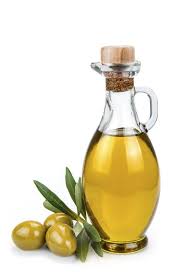

Olive oil has high monosaturated fat than other oils and is healthy option over other vegetable oils. The baby’s food can be prepared with  virgin olive oil..

18. Potatoes

Potato makes an excellent first food for babies. It has a soft consistency, is easily mashable and is also the least allergenic food.Start with a small quantity as some babies may develop tummy upset due to gas.
The potato is rich in minerals, vitamins and also an assortment of phytochemicals such as carotenoids and natural phenols. Potatoes are best known for their carbohydrate content, with a medium sized potato containing about 26 gms.
Potato can be given as puree, in khichdi or in soup.

19. Eggs

Eggs can be given after 8 months of age. Start with the yellow first, and introduce the white later as the proteins in the white yolk tend to cause allergies in children.

20. Virgin Coconut oil

Coconut oil helps in weight gain and easy digestion in babies. It can be added while cooking baby food.

21. Multigrain Health Drink Powder

No, we’re not talking about the store bought health drinks, but a health drink powder that is made with whole grains and lentils and are completely free of harmful additives and preservatives. This is also a good option for fussy toddlers.

Saturday, October 12, 2013

Is Baby Gripe Water Safe?


Baby gripe water(Non alcoholic) is actually a mixture of water with some herbs. One must feed their babies with gripe water.The herbs used in this water include fennel, ginger, peppermint and chamomile. Gripe water helps to improve the digestive system of the babies. Baby gripe water can provide lots of relief to the infants especially in case if his/her stomach is upset. 

One should not give gripe water to the baby as and when he likes. There is a correct dosage for that and it should be followed. Over dosage of gripe water may not be dangerous, but it is not recommended. The dosage varies according to the age of the infant. For a baby aging between I month and 6 months, one teaspoon 2-3 times a day is recommended.

If the age of the infant is between 6 months and 2 years then two teaspoonful 3-4 times a day is recommended. If the infant is above three years then you can feed him with 3-4 teaspoonful of gripe water 3-4 times a day. Some infants do not like the taste of the baby gripe water. You can feed them by mixing the baby gripe water with milk or water. If the infant is consuming breast milk then baby gripe water can be given using spoon. Otherwise gripe water can be fed along with the milk using the milk bottle.

Baby gripe water is good for the baby's health as it does not contain any chemical and contains only natural herbs. So, it will not have any side effects. Baby gripe water was found to be very effective against colic suffered by the infants.

Sunday, October 6, 2013

What Good And Bad Drinks For Your Baby ?


Here's the truth on your child's drinks and beverage options. Learn which ones are healthiest and which ones to limit or avoid and why.

Note: The information in this slideshow is for children ages 1 and older. Babies under 6 months should drink only breastmilk or formula. Infants 6 to 12 months can also have small amounts of water. Experts recommend that you wait until your child turns 1 to introduce cow's milk.


Water
You can't go wrong with safe drinking water. It hydrates, helps regulate body temperature, and helps prevent constipation and urinary tract infections, all without adding calories or sugar to your baby’s diet.


Coconut water (elaneer / nariyal pani)
Coconut water is a very healthy option for your toddler. It is a rich source of vitamins and minerals and is ideal in preventing dehydration because it replenishes the natural salts lost by the body through sweat or other fluid loss. It is a great drink to give your child if she has diarrhoea.

Note: Coconut water is not suitable for children with kidney problems.


Flavoured or enhanced water
You can make flavoured water by adding a little fruit juice to plain filtered or boiled water. Or you can add freshly cut fruit to a glass of water for a delicate fruity taste or freeze fruits and use them instead of ice cubes. Just be careful that the fruit pieces are not small enough to be accidentally swallowed or they could be a choking hazard!


Limeade (nimbu pani)
Limeade (nimbu paani) is a good source of vitamin C, which helps the body absorb iron. It is also very refreshing in the heat, especially with a hint of mint (pudina). But limeade tends to be high on sugar, especially if it is bought in the market. Market bought varieties might also contain artificial flavours and colouring, which are not good for your child. Check the list of ingredients at the back to choose a variety made from real fruit.


Fruit juice
Juice is an acceptable way to get one serving of fruit each day, but whole fruit is a better choice. Juice lacks fibre and contains less of some nutrients than whole fruit. Plus, children tend to fill up on juice instead of healthier foods. 

You can make the juice at home or buy it in the market. If you buy it, make sure the package says ‘100 per cent juice’ otherwise there might be more colouring and artificial flavours than real juice. Limit your child’s juice intake to 3/4 cup per day. (Children age seven and older can have up to 1 cup a day.).


Milk drinks
After your baby turns one, she needs to have about 350ml of cow's milk each day. This will provide her with essential protein, calcium, magnesium and vitamins B12 and B2 (riboflavin). You can give her milk based drinks such as milkshakes, almond (badaam) milk, smoothies, lassi or chhaach. If she doesn't like milk, give two portions of calcium-rich foods instead.

It is not a good idea to give your child more than 350ml of milk a day. If you do, it may cut her appetite for solid foods that have other essential nutrients like iron and vitamins.


Cultured dairy beverages, yogurt drinks, probiotics and prebiotics
Most of these products have the same nutrients as milk, but some aren't fortified with vitamin D, so read the nutrition label if you are buying a packaged version. Some are made with live bacteria cultures which may aid digestion and protect the body from harmful gut bacteria. However, there may not be enough bacteria in one serving to make a difference to your child's health. Flavoured varieties contain added sugar. You also need to check the 'use by' date and storage instructions especially in hot humid weather.


Vegetable juice
Vegetable juices are a good way to feed veggies to a fussy eater. Tomato (tamatar) or carrot (gajar) juices are usually the favourites. You can try different combinations of vegetables. Some vegetables do not have much flavour on their own. Adding them into the juice with other tastier vegetables is a good way of getting your baby to have them.

If you buy vegetable juice, choose a variety with as little sodium as you can find. Some packaged juices contain more than half of a child's daily sodium allowance in one serving.


Soy milk (non-dairy made from soya beans)
Soy milk is an acceptable alternative to cow's milk (especially for those who are lactose intolerant), but it contains fewer nutrients. If your child drinks soy milk as a substitute for cow's milk, his doctor may recommend a vitamin supplement. He may also be put on a calcium supplement, especially if he does not have any other form of dairy products.

Some soy milk brands are fortified with calcium and vitamins A, D, and B12. Soy milk contains no saturated fat or cholesterol and may be enriched with omega-3 fats. Flavoured varieties tend to contain added sugar.


Rice milk (non-dairy made from rice grains)
Rice milk contains fewer nutrients and less protein than cow's milk. If it is given instead of cow’s milk, your paediatrician will advise you on other ways of getting the vital nutrients in your child’s diet.

Most families make rice milk at home because it is not easily available in the market. If you do buy it, check that the rice milk is fortified with calcium and vitamins A, D, and B12. Sweetened varieties of rice milk contain added sugar. Be sure to check the 'manufacture date' and 'use by' date.


Almond milk (non-dairy made from crushed almonds)
Almond milk contains fewer nutrients and less protein than cow's milk but almonds are rich in several vitamins. If almond milk is given instead of cow’s milk, your paediatrician will advise you on other ways of getting the vital nutrients in your child’s diet.

You can make almond milk at home by blending blanched almonds and water. If you find it in the market, check that it is fortified with calcium and vitamins A, D, and B12. Sweetened varieties of almond milk contain added sugar. Be sure to check the 'manufacture date' and 'use by' date.


Coconut milk beverages
Coconut milk beverage contains fewer nutrients and less protein than cow's milk, so it's not a good substitute. To make the most of this beverage, choose a brand that's fortified with calcium and vitamins A, D, and B12. Some varieties have a bit more saturated fat than low-fat cow's milk; others have less. And while health claims have been made recently for the fat in coconut oil, there's no real evidence that it's particularly good or bad for you. Sweetened varieties of coconut milk beverage contain added sugar. Be sure to check the 'manufacture date' and 'use by' date.


Fizzy drinks and sodas
Fizzy drinks have no nutritional value. Most brands contain artificial colouring or flavours. They also contain high amounts of sugar or artificial sweeteners. Some fizzy drinks also have caffeine. None of these ingredients are good for your child.


Sweetened drinks
Cordial, syrups or other concentrates that are dissolved in water, flavoured drinks that do not specify '100 percent juice' or juice powders contain ingredients that your child doesn't need (sugar, artificial sweeteners) or already gets enough of (vitamins). They may even contain additives that could be harmful (caffeine, artificial flavouring and food colours). Sports drinks often contain extra sodium, which young children don't need.


Tea
Regular tea (green or black) contains antioxidants, which are beneficial, but the tea may also contain caffeine, which your baby shouldn't have. If your child is very fond of tea, give no more than 1/4 of a cup per day and make sure it is very weak. Ginger tea (adrak ki chai) is often given to help soothe colds and sore throats. You can make it with holy basil (tulsi) leaves instead of black tea leaves.


Coffee and cold coffee
Coffee also contains caffeine and often, when coffee or cold coffee is made for children, it has a lot of sugar as well. Store-bought cold coffee or coffee based drinks available in coffee shops and ice cream parlours also often have a dollop of ice cream or chocolate syrup. This makes the drink very high on calories with very few nutrients.

Energy drinks
These products have no nutritional value. Most energy drinks contain large amounts of caffeine as well as sugar or artificial sweeteners. Some contain herbs and additives that may not be safe for children.

Sunday, September 29, 2013

Make Your Baby Healthy


( Poonam Sharma`s Baby
from Delhi)


If you're like most moms, you want your child to develop helpful habits like putting away her toys and clothes.
It's just as important that she cultivate habits that'll help her stay healthy  -- physically and emotionally. "Healthy practices really do begin at home, where there are teachable moments in everyday life," says Donald Shifrin, M.D., clinical professor of pediatrics at the of  University Washington School of Medicine, in Seattle.

An easy way to start: teach  by example. Young kids love to copy Mom and Dad. But role modeling can take you only so far. If no amount of broccoli chomping on your part seems to inspire your child to eat her veggies, for instance, you'll want to get a little creative. Here, some important health practices to encourage, and easy ways to get your child started:
1. Get moving
The whys are convincing: Being active can slash your child's chances of becoming overweight, lower her risks for heart disease and Type 2 diabetes down the road, and help her mood stay on an even keel. Yet fewer than one in four kids gets even 30 minutes of physical activity a day. The key to making it a habit? Stop stressing "exercise." Have fun! Play with hula hoops. Go hiking. Race around the park to catch falling leaves.
Every morning, my husband makes a game out of getting on the floor with our sons for a round of sit-ups and push-ups. Nate, 8, decides how many Dad should do, and the deal is that Nate has to do half as many. Nicky, 3, loves to join in the contest.
If nothing motivates your child to move, try a system that limits couch time. "My son gets three plastic tokens  -- each representing thirty minutes in front of the TV or computer  -- to use during the day," says Dena Dyer of Granbury, Texas. "He can earn an extra token for playing outside."

Ways to chill, and stay safe

2. Chill out!
Your child needs downtime, just as you do. Art classes and soccer games are fun, but too many activities can take a toll, and kids often can't articulate feeling stressed. Consider how much time your child has to do absolutely nothing. If it's less than an hour a day, you may want to increase her leisure time, when she's not involved in any structured activity, says Jack Wetter, associate clinical professor of family medicine at the University of California, Los Angeles.
If you notice your child starting to feel overwhelmed, distract her with a quiet activity like reading or coloring, or do deep-breathing exercises. Diane Umansky of New York City calms her 5-year-old by doing "balloon breaths" with him. "I have him breathe in, make his belly big like a balloon, and slowly let the air out." You could also blow bubbles or on a pinwheel.
3. Put safety first
They may not have been de rigueur when we were kids, but using car seats, seat belts, and bike helmets are essential now. One eye-opening statistic: Safe Kids Worldwide estimates that 75 percent of fatal head injuries among kids on bikes could be prevented with a bike helmet. Wearing your own seat belt and bike helmet goes a long way toward making kids less likely to balk at being made to wear their own. It also helps to point out to your child when people are being unsafe (by skateboarding or scootering sans helmet, for example).
Another trick: Deputize your child by making it his job to let you know that it's safe to start the car or a family bike ride after everyone's buckled up or helmeted. The responsibility becomes a badge of honor.
 4. Pamper those pearly whites
Your child may brush his teeth, but he's probably not doing it long enough. You should brush for two minutes twice a day, says Amy DeYoung, a pediatric dentist, in Grand Rapids. "Most kids brush for thirty seconds, if we're lucky."
Help your child go the duration by encouraging him to brush for the length of a favorite song. Angie Koenig of Lincoln, Nebraska, started humming the chicken-dance song for Ryan, 1, during teeth-brushing time. "Once the song's over, he can stop. Now every time he brushes, he hums the song to himself." She also lets him brush while he's still sitting in the tub, so it's a part of his bathtime routine, rather than an extra step afterward. You can even put a CD player in the bathroom (but not near any water, of course).
To make sure Lucas, 4, hits all of his teeth, Maura Rhodes, a Parenting staffer, lets him brush first, and then tells him she needs to make sure he got all the "sugar bugs" out of his mouth. "I pretend with the toothbrush that I'm chasing them around all over his teeth. He lets me do this for as long as it takes to make sure we get every nook and cranny," says Rhodes. "Plus, he's usually laughing, so his mouth's open." If you want to boost the novelty quotient and effectiveness, consider buying an electric toothbrush for kids over 3. It's been shown to do a considerably better job of removing plaque than a manual one does. Just be sure to limit your child's use of toothpaste to no more than one pea-size drop twice a day until you're sure he won't swallow it.

Go overboard... on produce, soap, and self-esteem

5. Pig out on produce
If you and your husband eat fruits and veggies, your child has the best chance of eating them too, say studies, And if your child isn't a copycat? Make it fun for him. Nichole Bernier Ahern of Chevy Chase, Maryland, put a "vegetable high five" chart on the fridge for Connor, 5. When he's reluctant to eat veggies at dinner but does it anyway, he gets a smiley-face sticker on the chart.
You might also take your child shopping and have him pick out a fruit or vegetable of the week  -- a new food for the family to explore. Together, you can figure out ways to prepare, say, mango: cutting up pieces and putting them on a skewer one day, making smoothies with them the next. Or challenge him to eat five different colors of the rainbow in a day.
Jayne Drew, a mom of two from Doylestown, Pennsylvania, discovered a good approach one night when she was late getting dinner ready. "I quickly microwaved some frozen peas for my two-year-old to tide him over, and for the first time, he ate every last one." Since then, she's served such appetizers as baby carrots or a bowl of corn every night, and her kids eat them up.
6. Lather up
Regular hand washing can dramatically reduce your child's chances of getting sick. The right technique: At least 20 seconds of hand rubbing with soap and warm water (don't scrub under running water), followed by thorough rinsing. To make it less of a chore, you might have your child sing the "ABC" song while he's scrubbing up. My kids are better washers now that I let them pick out cool liquid soaps  -- super-foamy varieties and ones in kid-friendly fruity aromas  -- when they come grocery shopping with me.
"We introduced a little competition to get our three-year-old to the sink," says Seattle mom Laurie Almoslino. "Before dinner or after coming home from the park, my husband will say, 'I'm going to wash my hands first,' and my son races him to the bathroom."
7. Boost body image
A study 
from the Harvard Eating Disorders Center found that half of girls and one-third of boys ages 8 to 10 don't like their size. Girls typically want to be thinner; boys, heavier or more muscular. Get your child off to a confident start by laying the foundation for a positive body image.
"Kids develop feelings about the way they look by identifying with their parents, so it's important not to criticize your own body," says Ann Kearney-Cooke, Ph.D.
But go a step further and actually say what you like about your own body and others'  -- by commenting on how good you feel since you started going for walks, for instance, or how much stronger your arms are since you started lifting weights.
You can also help your child focus on what her body can do rather than how it looks. You might point out how much energy she has during family hikes. Or say, "You seemed strong and flexible when you were climbing the monkey bars today." Rebecca Brooks's 6-year-old son wants to be good at soccer, so "we talk about how exercising makes you strong and agile," says the South Orange, New Jersey, mom. Scoring goals or hitting home runs may be a bonus, but feeling good is the best feat of all.

Friday, September 27, 2013

Healthy Baby Feeding Tips


Should you worry about baby fat? Not so much. While some recent studies have found a link between fattening up too fast during infancy and childhood obesity, your number one job as a mom is to help your baby gain weight. Indeed, cutting calories during the first year could interfere with both your baby's physical growth and her brain development. Instead, just keep these guidelines in mind so your little cherub develops healthy eating habits:
Know the signs of satiety. A baby has had enough to eat when she closes her eyes, spits out the nipple, or pulls away, says John Worobey, Ph.D., chairman of the department of nutritional sciences at Rutgers University, in New Brunswick, NJ. Don't insist that she continue to nurse or finish her bottle. (Of course, if your baby shows no interest in eating for two or three feedings in a row, give your doc a call.)
Avoid using food to soothe. You'll need to feed a newborn often and on demand. But an older baby who fusses between meals or not long after he has emptied his mom's breasts or finished off a bottle doesn't always need more food to feel better. First try offering him a pacifier, or help him relax with rocking, singing, or shushing, suggests Jennifer Helmcamp, M.D., assistant professor of pediatrics at Texas A&M Health Science Center at Round Rock.
Put solids in perspective. During the first year, a child's primary source of calories and nutrition should be breast milk or formula, says Dr. Helmcamp. Even though babies typically start solids around 6 months, the main function of eating food at this point is to get a kid used to having it in her mouth and to provide her with a chance to "practice" eating. She doesn't need to polish off jar after jar every time she's plopped in the high chair.
Keep some barometers in mind. Babies should double their birth weight by about 4 months, and triple it by their first birthday. Talk to your pediatrician if your baby is exceeding these guidelines.

Tuesday, September 24, 2013

Diarrhoea


How can I tell if my baby has diarrhoea?

Many parents worry that their baby has loose motions because newborns tend to have a lot of bowel movements. Your baby's potty will depend very much on whether she's being breastfed or formula fed. The stools of breastfed newborn babies are usually yellowish, on the soft or liquid side and may occur up to five times daily. The stools of formula-fed babies, on the other hand, tend to occur once a day and are fairly firm. Check out our baby potty visual guide for more information. 

Sometimes a breastfed baby will do potty during or immediately after each breastfeeding session. Within a month, most breastfed babies are down to one or two potties a day. Occasional loose stools are normal for both breastfed as well as formula-fed babies. But your baby may have diarrhoea if:

  • she is passing stools more frequently than usual
  • her stools are smelly, watery, and mucus-streaked (one doctor says it looks like you've blown your nose in your child's nappy)
  • she has a fever or appears to be losing weight
In addition to this, your baby may be cranky and not eating well. See your doctor if you suspect your baby has diarrhoea. 

What causes diarrhoea in a baby?

The most common cause of loose motions is a virus called rotavirus. Rotavirus infects the gut causing gastroenteritis. This damages the inner lining of the intestine. The injured lining leaks fluid and allows food to pass through without absorbing any nutrients. Most children get affected by this virus a couple of times before they turn five. Children aged between 6 and 24 months are more likely to catch this virus as it gets tougher to maintain hygiene once they begin crawling.

Diarrhoea in babies can also be caused by:

  • formula feeds, if they are not properly diluted
  • colds
  • antibiotics
  • allergies
  • food poisoning
  • enzyme deficiencies in rare cases

Can diarrhoea in a baby be prevented?

The organisms that cause diarrhoea can easily be passed from hand to mouth. So, proper hygiene can help prevent diarrhoea. Wash your hands thoroughly for at least 15 seconds with an antibacterial soap after handling soiled nappies or using the toilet. Keep non-alcoholic wipes handy and wipe your baby's hands frequently when she is crawling around. You could also use a damp washcloth for this purpose. 

How should I treat my baby's diarrhoea?

Make sure your baby drinks plenty of fluids to stop her from dehydrating. If your baby is taking her breast or formula feeds well, stick with them. In addition, older babies may be given sips of water, oral rehydration solution (ORS) or electrolyte solution. Coconut water (elaneer/naariyal pani) is a rich source of electrolytes. 

You can prepare ORS at home as well. Take one litre of water, boiled and then cooled. Stir in 8 teaspoons of sugar and one teaspoon of salt. Give her sips of this mixture every time she vomits and passes stool or urine. 

Babies older than 9 months can also have well-diluted fruit juices. Juices made with 1 part juice added to 10 parts water are ideal. If your child is reluctant to drink, she may prefer homemade ice lollies instead. But it is best not to use any artificial flavouring or food colours when you are making them. Avoid glucose drinks, fizzy drinks and undiluted fruit juices (concentrated sugar draws water into the intestine and can increase diarrhoea). 

Check with your paediatrician before giving your baby anything. Remember that you should not give any anti-diarrhoeal medicine to children below 12 years as they could have serious side-effects. Also avoid herbal remedies without consulting your paediatrician. 

Are breastfed babies less likely to get loose motions?

Yes. Breast-fed babies are better protected from infections that might come from drinking water or feeding bottles. Also, certain elements in breast milk can hinder the growth of the organisms that cause diarrhoea. 

Should I stop giving my baby solid foods if she has diarrhoea?

No. Unless your baby is vomiting frequently, you can continue giving her solid foods. If your child is six months or older you could try foods like bananas, rice, apple puree and dry toast. For an older baby or toddler you could try small amounts of chicken soup and starchy foods like mashed potatoes and pasta. Boiled rice and moong dal would work too. But don't worry if she doesn't want to eat. It's more important that she keeps taking fluids to avoid dehydration. 

When should I call the doctor if my baby has diarrhoea?

Diarrhoea can be worrying if it lasts more than a few hours, but it will usually clear up on its own. If your child is continually passing loose, smelly and watery stools more than 3-4 times in a few hours, call your doctor immediately. The biggest concern with diarrhoea is dehydration, so don't delay in calling your doctor if your child shows these signs of fluid loss:

  • dry skin or lips
  • listlessness
  • tearless crying
  • a sunken fontanelle
  • discoloured hands and feet
  • dark yellow urine or fewer wet nappies than usual
You should also consult your paediatrician if your child shows the following symptoms:
  • refuses to drink water, milk, or any other fluid
  • has a fever which lasts longer than 24 hours
  • has blood in her stools
  • has diarrhoea accompanied by vomiting, which lasts longer than 12 hours 
  • has a swollen abdomen

If your baby's uncomfortable during a bout of diarrhoea, try to comfort her as much as possible. Keep her dry. Be gentle when changing nappies since her delicate bottom may be raw from the frequent passing of stools. Use a barrier cream to prevent irritation if the diarrhoea lasts for more than a day. And try not to worry too much, with the right care, your baby will soon bounce back.